Hot Water vs Cold Water Pressure Washers: Which Wins Out?
The best pressure washer depends on what you need to remove, not simply how powerful the machine is. Cold water usually wins for everyday outdoor cleaning, while hot water has the advantage on grease and oil. For Rockhampton homes and businesses, choosing the right method helps control costs, protect surfaces and achieve a more thorough clean.
What Is the Difference?
Both types of pressure washer use pressurised water to loosen and remove contamination. Cold water machines use water at its incoming temperature. Hot water machines heat that water, helping soften greasy deposits so they release more easily.
Cleaning performance also depends on water flow, pressure, nozzle selection, detergent and dwell time. A higher pressure rating alone does not guarantee better results—and can increase the risk of damage.
When Cold Water Pressure Washing Wins
Cold water pressure washing is a practical choice for removing loose dirt, dust, mud and suitable surface grime. Around Rockhampton, it is often appropriate for sound concrete driveways, paths and other durable outdoor surfaces.
- Routine residential cleaning: Suitable equipment can clean many concrete paths, patios and driveways without heating the water.
- Dust and mud removal: Water flow and an appropriate nozzle help lift and flush away accumulated material.
- Lower operating costs: Cold water equipment does not require energy to heat the wash water and is generally simpler to maintain.
Cold water alone may not adequately treat mould, algae or oily stains. A suitable cleaning product and controlled application can be more effective than repeatedly increasing pressure.
When Hot Water Pressure Washing Wins
Hot water is especially useful for oily workshop floors, machinery cleaning and greasy commercial hard surfaces. Heat helps loosen oils and fats, potentially reducing scrubbing, cleaning time and detergent requirements.
However, hot water equipment generally costs more to operate and maintain. Heat can also damage sensitive coatings, seals and other materials. Hot water is not automatically safer for surfaces, and ordinary hot water pressure washing should not be assumed to disinfect them. Disinfection requires an appropriate, validated process.
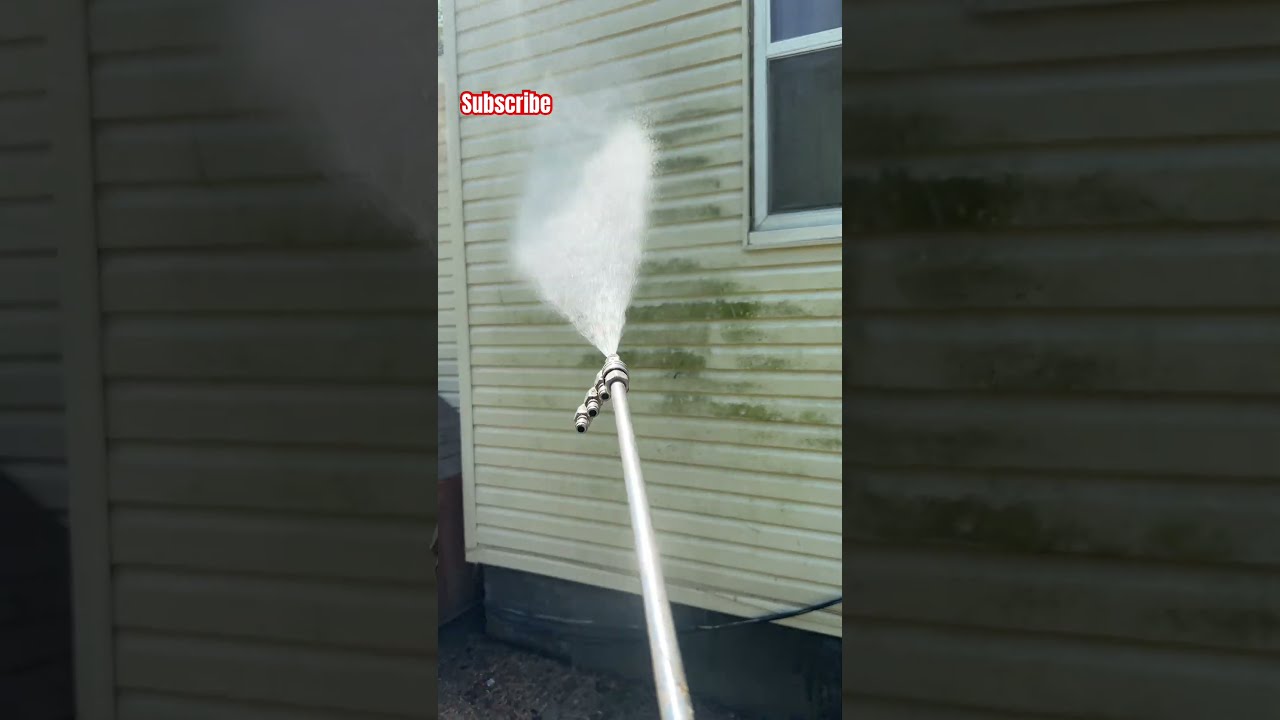
What Works Best for Rockhampton Properties?
Homes, Driveways and Outdoor Living Areas
https://capricornhousewashing.com.au/sanitation-cleaning-rockhampton/For routine residential pressure cleaning in Rockhampton, cold water is often the sensible starting point. Oil spots may benefit from targeted degreasing or hot water treatment, but deeply absorbed stains may remain visible even after professional cleaning.
Painted walls, timber, older mortar and some pavers need a gentler approach. Soft washing or low-pressure cleaning may be more appropriate than either hot or cold high-pressure washing.
Workshops and Commercial Premises
Where grease is the main problem, hot water often provides better value through faster cleaning. The contractor should still assess the surface, contamination and wastewater collection requirements before choosing a method.
Practical Checks Before Booking
- Identify the contamination: Explain whether the problem is dust, mud, biological growth, grease or a combination.
- Check surface compatibility: Ask for a small test patch, particularly on coatings, pavers and older surfaces.
- Discuss runoff: Wash water containing oil, chemicals or sediment should be contained and managed appropriately, not allowed to enter stormwater drains.
- Confirm local requirements: Check current Rockhampton Regional Council water restrictions and any applicable wastewater disposal requirements before work starts.
Never pressure wash suspected asbestos-containing materials. If older building materials are uncertain, arrange an assessment before cleaning.

The Verdict: Match the Method to the Mess
Cold water wins for most routine outdoor cleaning; hot water wins when grease and oil dominate. The best Rockhampton pressure cleaning service assesses the surface first, selects suitable pressure and temperature, and plans for responsible runoff management. Ask your contractor to explain their recommended method rather than choosing on pressure rating or price alone.
Capricorn House Washing
0482 073 600